The newly renovated Founders’ Galleries occupy three rooms of the Bowes Museum and tell the story of Joséphine and John Bowes, the collectors who conceived, commissioned and collected this awesome palace d’art for the people of County Durham. The refurbishment is the result of an eighteen-month project turning up the dial on Joséphine, who played an important role in the development of the museum but until recently was dismissed as merely the wife of John. The concept, choices and collecting were the result of partnership, and these new displays bring that story to life.
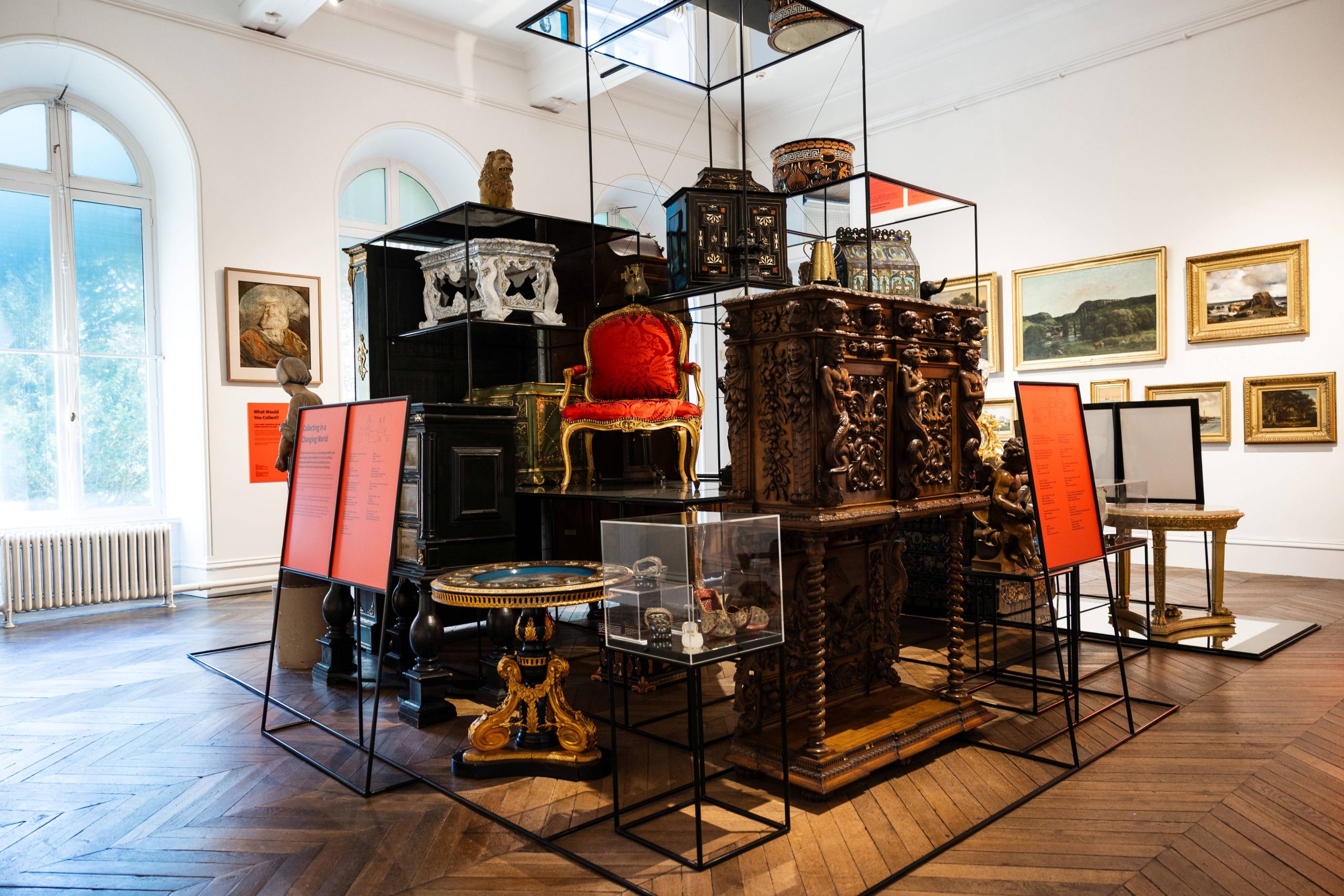
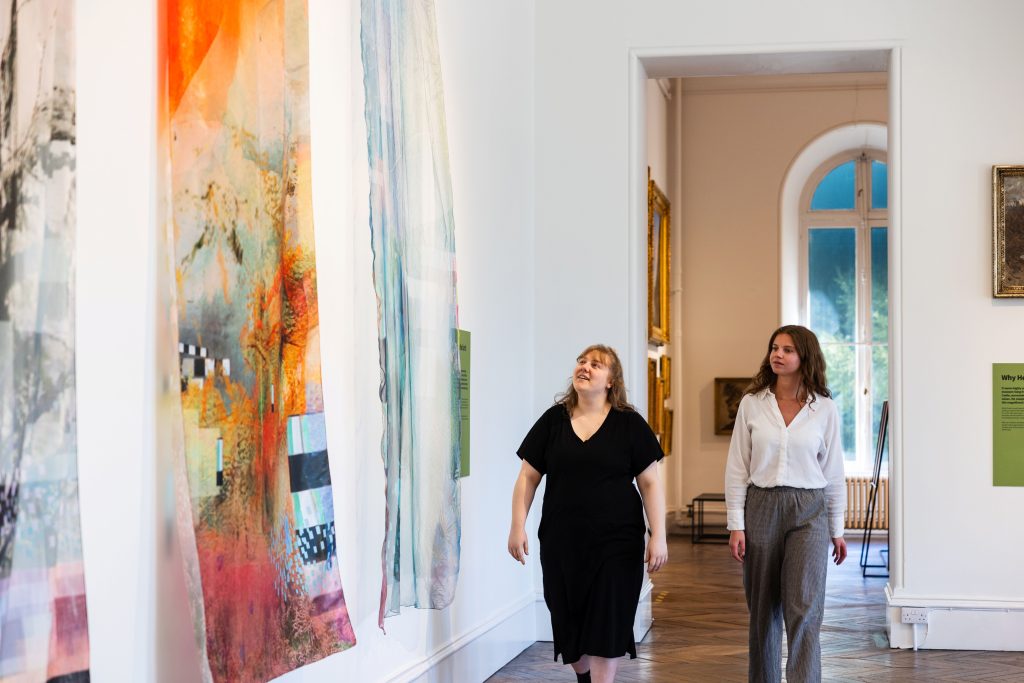
Each display is now shaped by metal frame structures that hold, enclose and reveal objects from the collection and tell the story of the Bowes, both the people and the building. Designed by ‘visitor experience design company’ The Creative Core, based in Halifax, the structures are elegant and modern devices that create space in a way that, while not neutral, are complimentary. They make the displays look like a contemporary art installation – the outline of a salon is drawn in black steel in the middle of Room One, and in Room Three, platforms are stacked ceiling-wards, holding ceramics and furnishings in a towering block. The designs include seating – a welcome addition. The large windows have had their previous coverings removed, and natural daylight and the scenery outside are now part of the room. There is a theme of holding space made literal with these new structures. There is also a set of three contemporary wall hangings by Zoe Allen, inspired by the landscape that can now be seen though the newly opened windows. They are composite images printed on different fabrics, their forms echoing the shape of the window openings.
The Bowes Museum is not a stately home rendered into a museum through National Trust-style circumstance, but a public museum purpose-built by Joséphine and John to house their collection. While it was not their home, hosting and hospitality were part of the Bowes’ vision, as it was a part of their lives. In Room One, we are introduced to them as people. It has been set up using some of their personal effects, the furniture arranged in a mock-up of a living space. The black metal frame demarcates the room within a room, like some avant-garde stage design, and holds furniture as well as personal effects, such as the tiny belt and slippers that also appear in a huge portrait of Joséphine that hangs on the wall. The new display devices incorporate mirrored surfaces so we can see the underside of things, which is kind of thrilling.
In a way, these new Founders’ Galleries are about museological display, about the relationships between these vast troves of stuff and the public, about the changes and challenges museums like the Bowes must face. It is perhaps unique, this setting: Durham is a county associated with miners and socialism, but we tend to forget the other side – that mineral extraction led to huge wealth for those who ‘owned’ the land. John Bowes was a landowner, a businessman and an aristocrat. He used this wealth to buy beautiful objects and art and, with Joséphine, created this place to house and display it, apparently for the people who dug the mines.
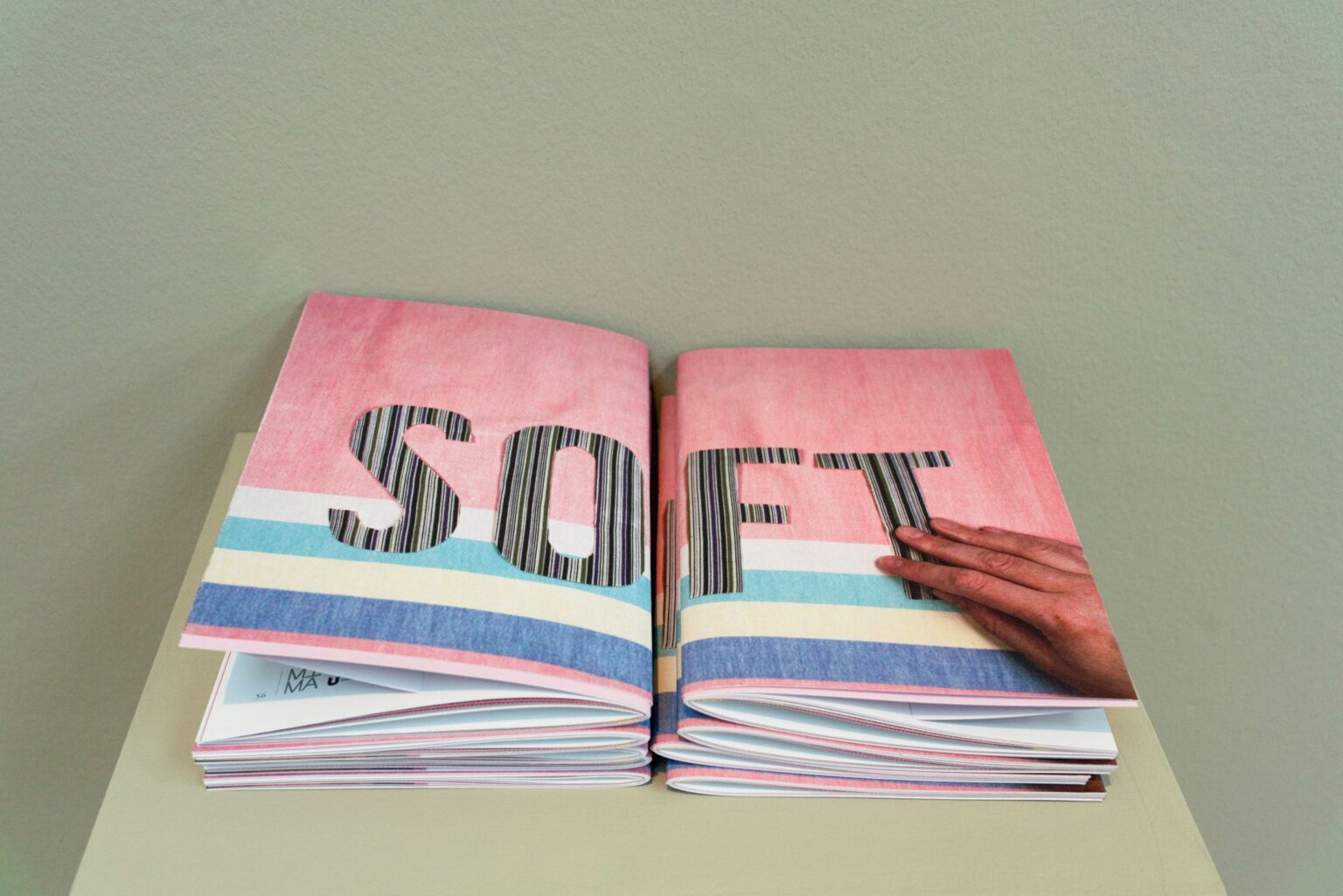
I’m always going to have questions about this, while I enjoy the museum and its wonders. It’s a contradiction that we must bear. And the curators realise this too, I think, with this new layout, the opening of windows, the commissioning of the fab new display structures, the re-hangs and the community groups who have worked alongside and with the collection. For example, artists such as Emma Tomney have worked with local people, making folding publications, writing letters to Joséphine and creating mood boards which are displayed among the personal effects in Room One.
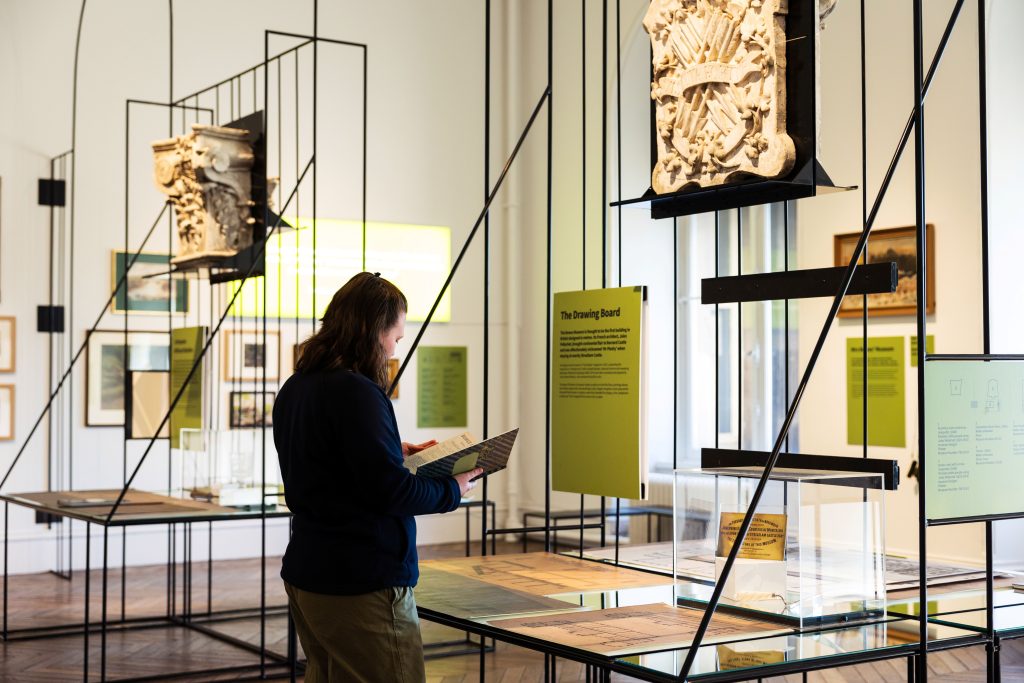
Room Two concerns the build. This is a regional collection, very specific, and shows objects which have not been shown for decades – maquettes and samples of local stone. This is a museum that changes, a working museum, not just a museum of a museum. The display is a celebration of drawings and plans. The silver trowel is something to admire – a weird object, removed from the actualities of labour, yet symbolic of the care of the founders. And I do sense genuine care here.
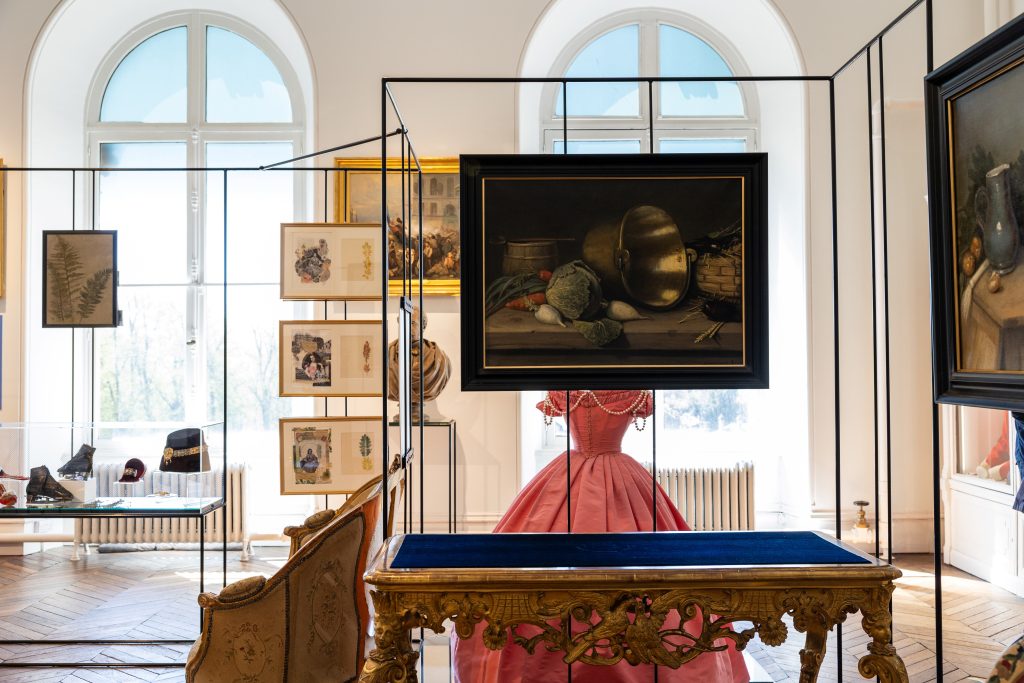
In Room Three are pieces from the Bowes’ homes, representing their private and public lives. They spent twelve years collecting, visiting great exhibitions and working with dealers amassing 15,000 objects. The towering display here is weird, wonderful and joyful, but it brings up questions about privilege, luxury, ownership and colonialism that the new hang really only touches upon. The fact that Joséphine was an artist helps soften the story of acquisition and wealth; her accomplished paintings have been hung in all three rooms alongside the collection. She was collecting the work of living artists in a pre-impressionist world, which is an interesting detail for the curators to explore. They’ve noticed an asterisk next to a Manet in a catalogue, not acquired but considered, which adds a potential modern aspect to the story.
The next shows will feature the work of the Impressionists and that of Norman Cornish, the Ashington miner turned painter – a nod to the unseen workers and another element that might help rewrite this narrative and bring it a little closer to our time. The curators are in charge now, but they want to mediate a relationship with the founders, not challenge or upset the status quo too much. We are not being encouraged to take ownership of the place exactly. The new curator cut her teeth at Baltic and has a good feeling for what contemporary visitors will enjoy. Hardly the Bolshevik-style take over I’ve fantasised, but it’s a start.
Lesley Guy is an artist and writer based in Newcastle upon Tyne. She is Regional Editor for Northumberland, County Durham, Tyne and Wear at Corridor8.
The reimagined Founders’ Galleries at The Bowes Museum are now open to the public.
This review is supported by the Bowes Museum.
Published 14.09.2026 by Benjamin Barra in Reviews
1,081 words