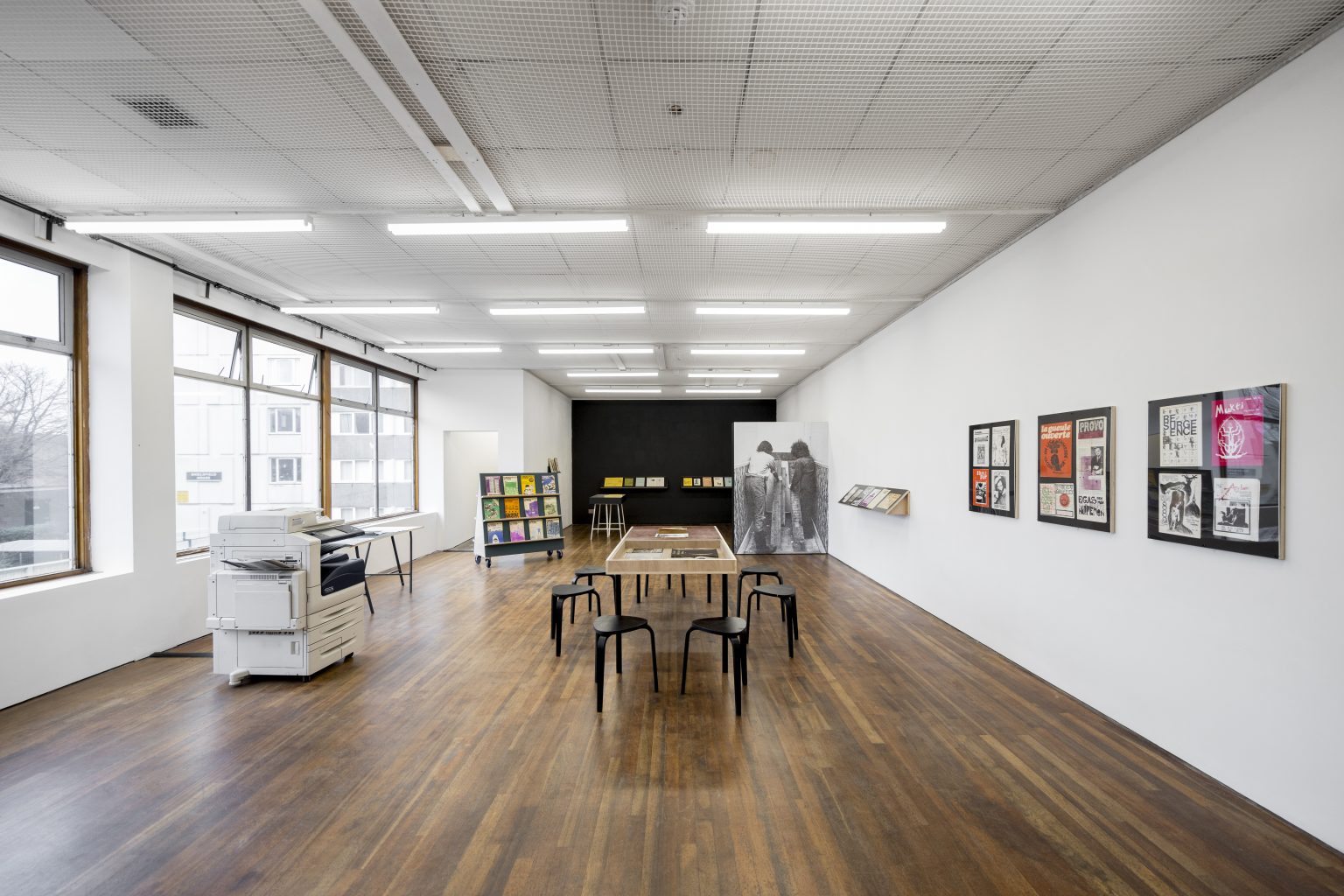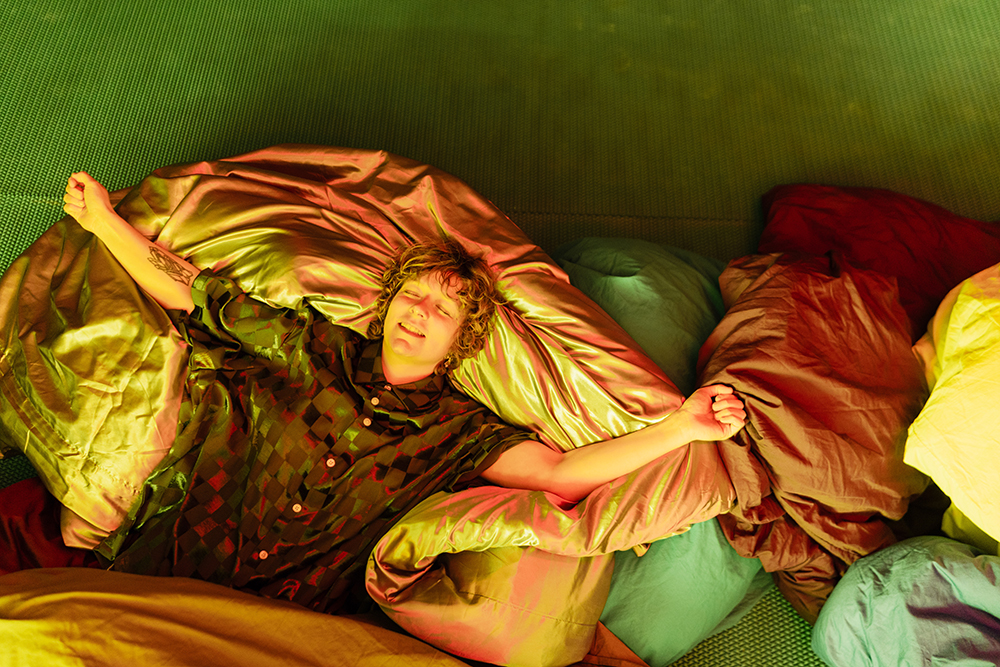
Abundance at The NewBridge Project in Newcastle invites audiences to contemplate what is possible when rest is centred within public life, rather than accommodated at the margins. Created by choreographer Lizzie Klotz in collaboration with designer Bethany Wells and based on a live performance of the same name, the exhibition makes a compelling case for the necessity of rest-spaces in galvanising our imagination.
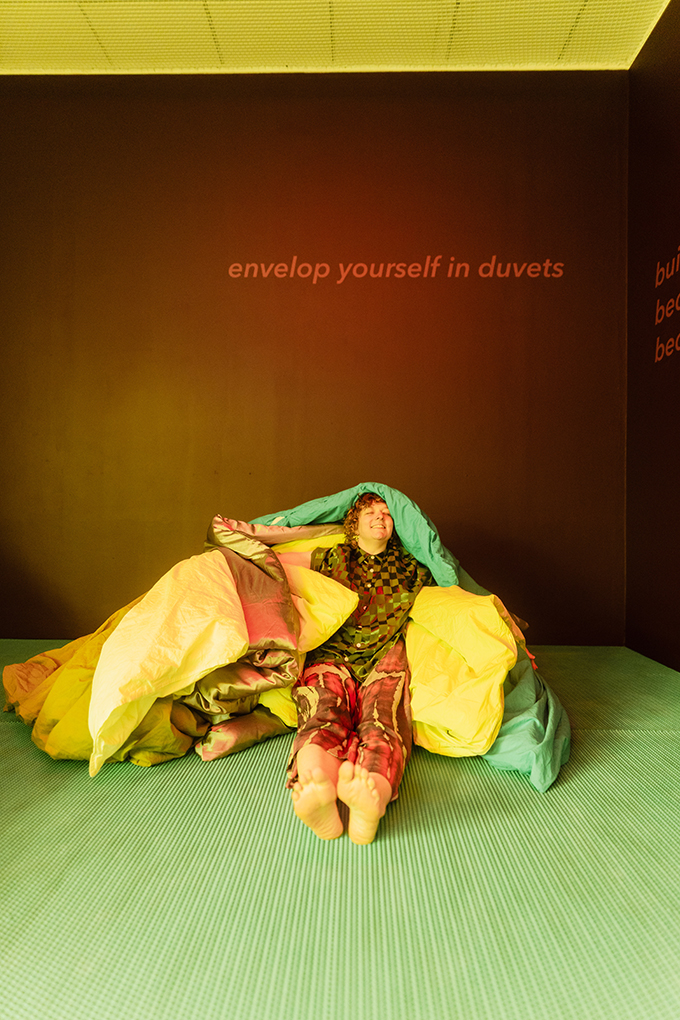
The installation extends the world of Klotz’s intergenerational performance into a dedicated rest-space. Centred around a series of colourful duvets, it transforms familiar materials into an environment that sits between sculpture, shelter and stage. Through plush duvets, diffuse lighting and ambient sound, Abundance creates a soft architecture in which the everyday rituals of rest are elevated into a cocoon-like environment, each signaling how generative these fallow periods can be.
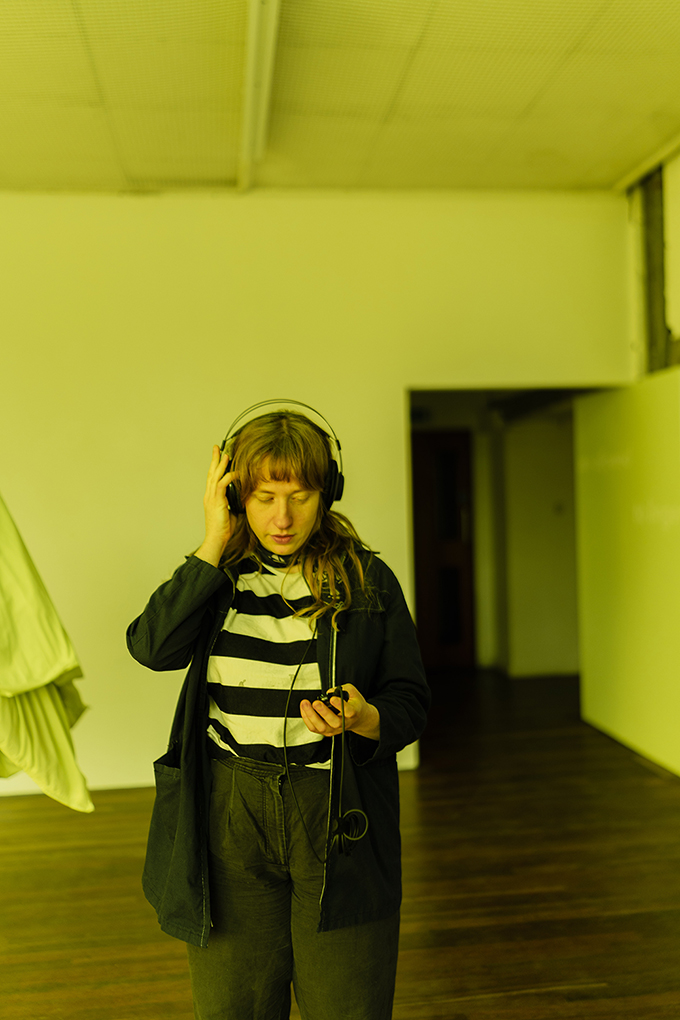
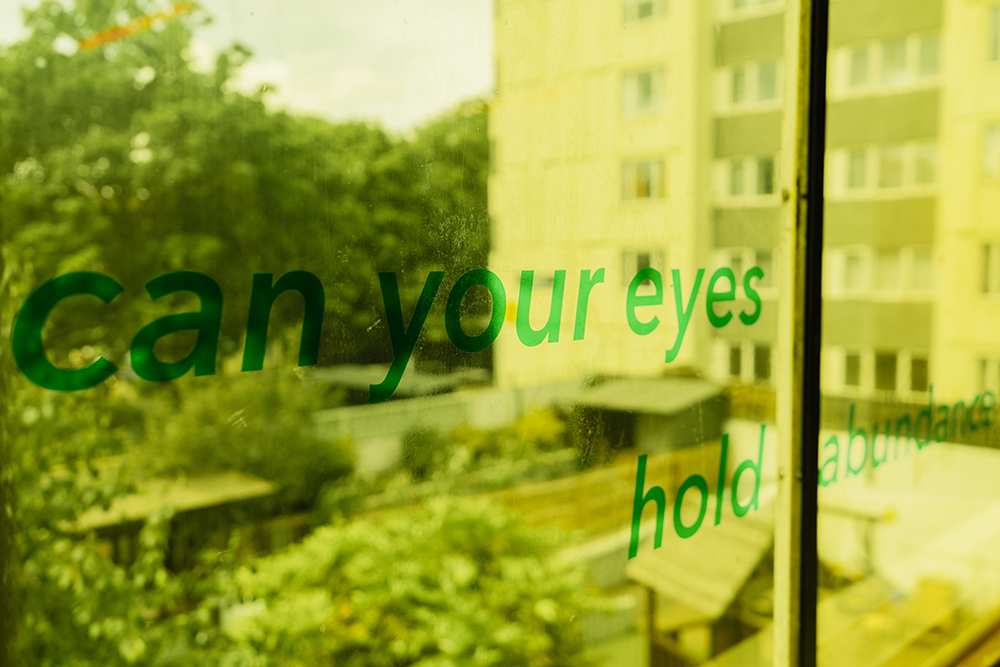
Duvets act as both fort and mattress, offering refuge from the outside world. Within this soft architecture, I pass through sheer curtains into a gallery whose edges are softened by diffuse light filtering through green-tinted windows. The scenographic approach to lighting the gallery, staged by Klotz and Bethany Wells with lighting designer Barnaby Booth, introduces a palpable sense of drift. With attention drawn toward the ceiling, the coloured grates and neon light bars make for an unexpected horizon line of pink, green and orange.
Elsewhere, minimal interpretation on the gallery walls lightens the cognitive load that mediating access through multiple forms of text can sometimes impose. The quotes that are printed on the wall act as gentle provocations around the exhibition’s central question. One of them reads, ‘are you abundant, or are you searching for abundance?’ These few words are enough to sit with; they suppose that rest is not a passive state, inviting closure from the outside world, but a practice of transmission, as necessary to critical thought as it is to collective action.
I am drawn to several weighty duvets at the far end of the space: folded, flung, and gathered, their corners whipped into high peaks. From a resting position, I ease into the quiet rapture of an ambient soundtrack by musician Jayne Dent, working under the alias Me Lost Me. The music seems to land differently in my body. From the low hum of creeping anticipation to glimmers that bloom in my ears and fizz, celebratory, in my chest, the soundtrack holds me in its sway. At moments, the rhythms seem to move in concert with the triptych of duvets suspended from bungee cords on the ceiling. Revolving around their own axis with an almost sculptural dignity, their slow rotation becomes a gentle meditation on the merits of turning over into sleep.
This install makes for a sparse curation, relying on the bendable materiality of the duvets to hold the impressions of its past life as a live performance. Indeed, this performance is only implied through photographs, positioned by the door. As an installation, Abundance exists in a state of temporal suspension, risking deference to the energy of its live performance. Earlier this year, the work toured across the North East as an intergenerational dance performance, bringing together six women, three professional dancers and three local volunteer performers, whose improvised choreography unfolded between bodies of different ages and experiences. Through moments of stillness, play, and release, they met one another in a shared exploration of connection.
Ultimately, the exhibition asks a lot of the passing visitor: to be comfortable with performing rest publicly. I wonder, however, if that is part of the point. As a disabled person, this self-conscious act of resting within a gallery space, however welcome for my tired eyes and uneasy gait, surfaces the shame attached in being seen to do nothing in particular. This feeling is heightened by the awareness that, just beyond the curtain, members of The NewBridge Project have gathered for a meeting. The tension is an ironic one, given that rest is often positioned as the opposing force of work and reduced to punitive narratives of unemployment and procrastination. The invitation to rest in the gallery is also a provocation: evoking tensions between accessibility, visibility, and the cultural expectations placed upon bodies in shared spaces. Access itself requires a continual investment of time, space, and capacity in negotiating who can and cannot afford to inhabit a given environment. Abundance reframes this question of access by displacing the presumed centrality of the body in the performance of rest, inviting us instead to consider how institutions might accommodate more horizontal forms of participation that work with these interruptions.
Given that The NewBridge Project have recently been awarded Gallery of Sanctuary status, Abundance is in full recognition of the social value of the gallery as a space which is not only free to visit, but open and responsive to the needs of its local community. Indeed, Abundance is welcomed into NewBridge’s wider programme, cultivated through communal meals, clay workshops, and dance parties led by NewBridge member Kaltouma Hassaballah by and for the women of Shieldfield. Visitors are invited to experience abundance not as endless growth or material consumption but a measure of sufficiency: where the gallery facilitates enough time to dwell, enough space to dwell in.
Rachel Boyd is a PhD researcher based at Northumbria University.
Abundance at The NewBridge Project runs til 15 August 2026. There are four Open Rehearsals taking place as part of Abundance: the first with Lizzie Klotz, Alys North, and Jayne Dent (Me Lost Me) on Friday 3 July, the second with Noize Choir on Thursday 16 July, the third with dancer Chloë Sayers taking place on Thursday 6 August, 12 – 5pm, and the final with artist Patrick Ziza on Thursday 13 August, between 12–5pm.
Published 19.07.2026 by Lesley Guy in Reviews
967 words